Language: English











Cracked Bridge Girder Strengthening
Crack Sealing & Carbon Fiber Plate
The two-phase strengthening approach—crack sealing followed by CFRP plate bonding—successfully restored the structural integrity of the bridge girders and enhanced flexural capacity to meet current loading requirements.

Project Overview
| Attribute | Details |
|---|---|
| Project Type | Bridge girder structural rehabilitation |
| Structure Type | Reinforced concrete girder bridge |
| Primary Deficiency | Flexural cracking on girder |
| Strengthening Method | Crack sealing + Externally bonded CFRP plates |
| Completion Date | 2026 |
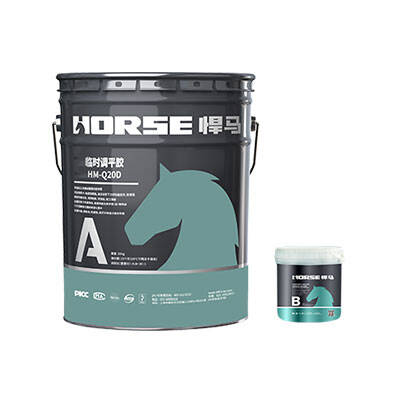
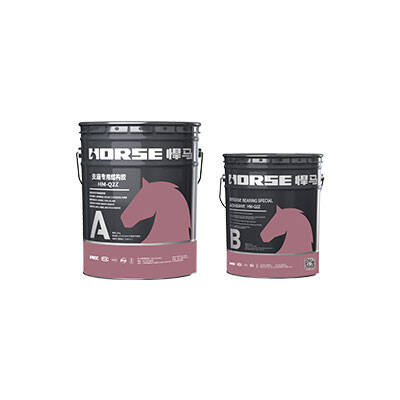
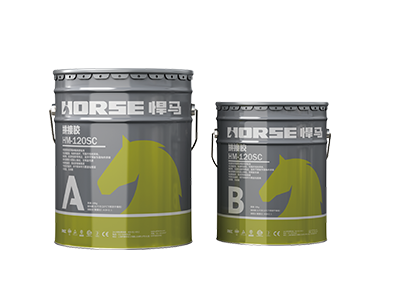
| Material Supplier | Horse Construction |
Existing Condition
Visual inspection and structural evaluation revealed multiple flexural cracks on the bridge girder soffits (bottom surface), primarily located in the mid-span regions where positive bending moments are maximum.
Cause Analysis
Traffic load increases: Heavier vehicles than original design assumptions
Concrete aging: Material degradation reducing flexural capacity
Environmental exposure: Moisture ingress accelerating deterioration
Strengthening Approach
Phase 1: Crack Sealing & Structural Repair
Prevent moisture intrusion, halt ongoing reinforcement corrosion, and prepare the concrete substrate to achieve reliable long-term CFRP bonding.
Materials
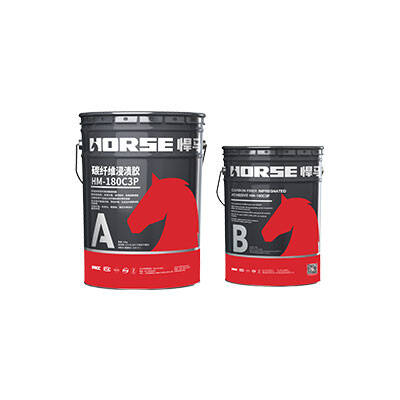
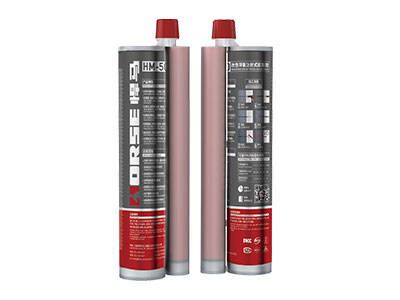
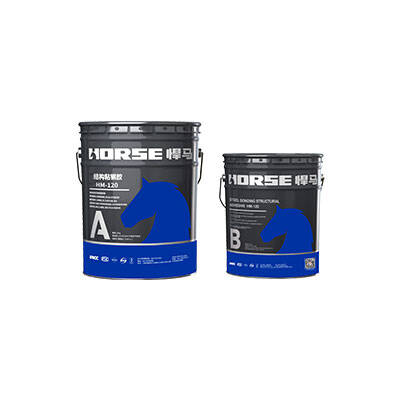
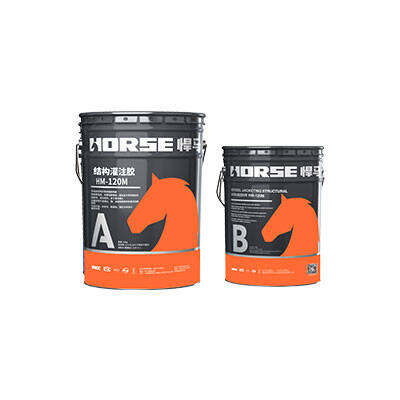
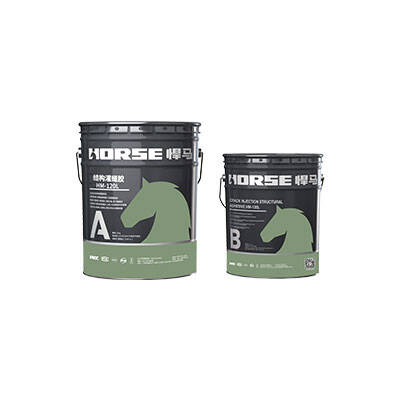
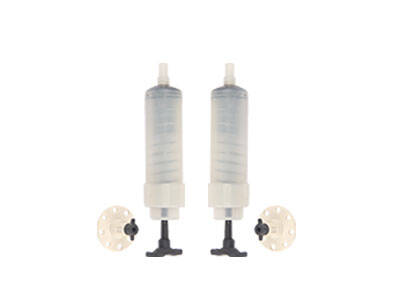
Thixotropic epoxy paste


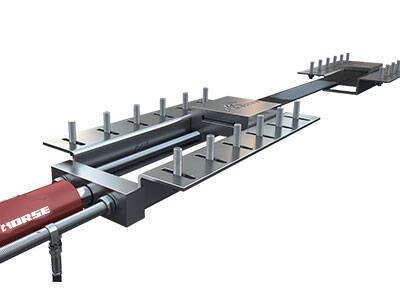
Phase 2: CFRP Plate Flexural Strengthening
Enhance flexural capacity of bridge girders to meet current loading requirements.
| Component | Specification |
|---|---|
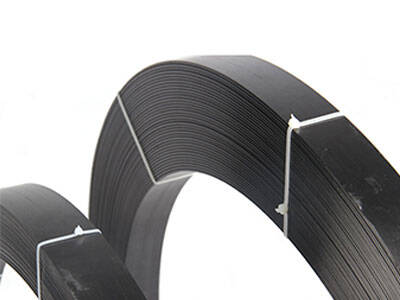
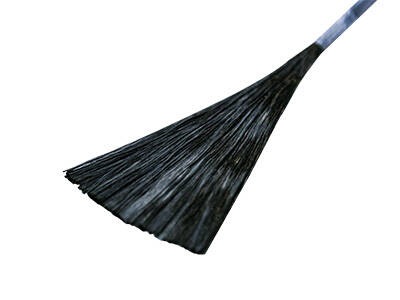
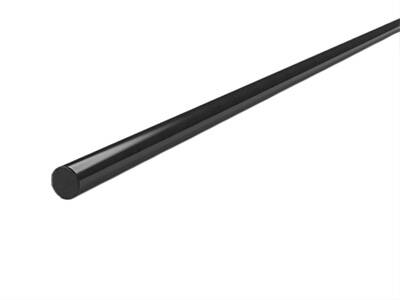
| CFRP Plate Type | Unidirectional pultruded carbon fiber plates |
| Plate dimensions | 100mm width × 1.4mm thickness (typical) |
| Tensile strength | ≥ 2,400 MPa (per ASTM D7565) |
| Modulus of elasticity | ≥ 165 GPa |
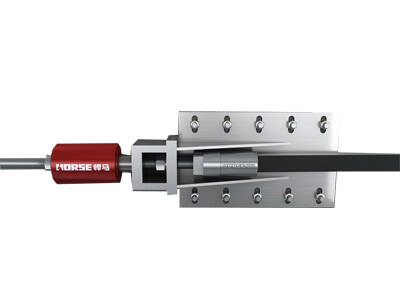
| Structural adhesive | Two-component thixotropic structural epoxy, 6-9kg/m² |
| Shear strength of adhesive | ≥ 25 MPa (per ASTM D1002) |


Quality Control & Testing
| Test/Inspection | Frequency | Acceptance Criteria | Standard |
|---|---|---|---|
| Pull-off bond test | 5 per 100 m² or per span | Minimum bond strength ≥1.5 MPa with failure within the concrete substrate; interface debonding is not acceptable | ASTM D7234 |
| Visual inspection | 100% of plates | No voids, delamination, bubbles | ACI 440.2R |
| Adhesive thickness | Random sampling | 2-3mm uniform | Caliper measurement |
| Plate alignment | Each installation | Within ± 5mm of design | Survey |
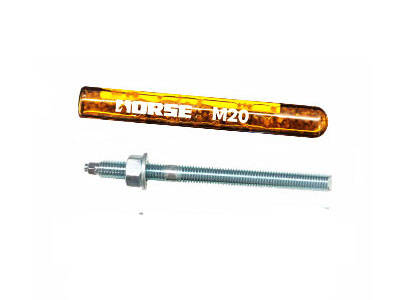
| Anchor torque check | 100% of anchors | Per manufacturer specification | Torque wrench |
The two-phase strengthening approach—crack sealing followed by CFRP plate bonding—successfully restored the structural integrity of the bridge girders and enhanced flexural capacity to meet current loading requirements. The crack sealing phase arrested further deterioration, prevented moisture ingress and steel corrosion, and protected the substrate for long-term performance of the CFRP strengthening system. The lightweight CFRP solution added negligible dead load while delivering significant structural capacity enhancement, with minimal disruption to bridge operations during construction.